
Growing your own vegetables is rewarding, but timing is everything. Planting crops at the right time helps improve germination, increase yields, and reduce problems with pests and diseases. Whether you’re starting a backyard garden or growing vegetables in raised beds, following a vegetable planting calendar can help you enjoy fresh produce throughout the year.
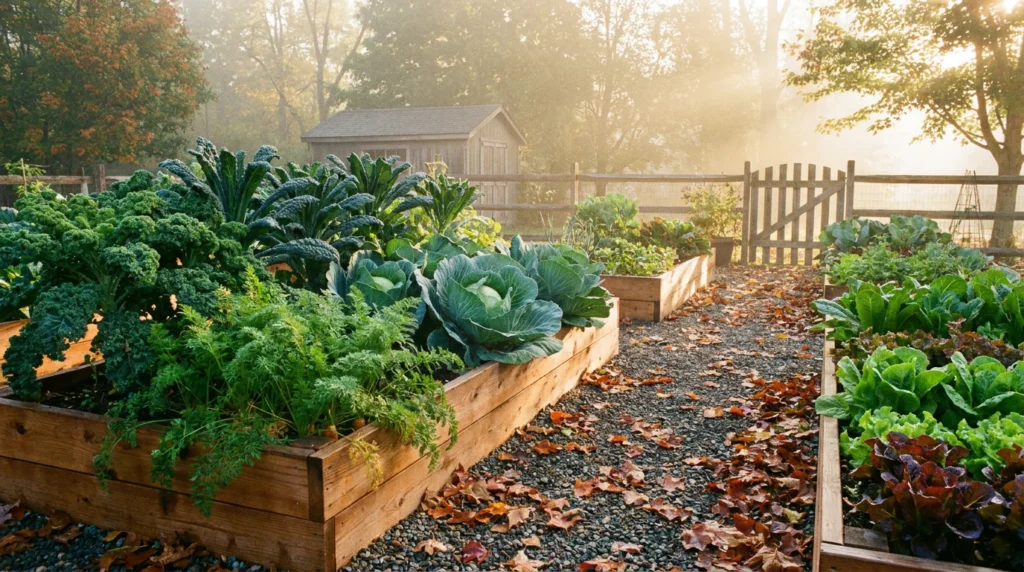
This guide provides a month-by-month planting calendar, seasonal gardening tips, and advice for both cool-season and warm-season vegetables.
Why Use a Vegetable Planting Calendar?
Different vegetables thrive in different temperatures. Some crops prefer cool weather, while others need warm soil and plenty of sunshine.
A planting calendar helps you:
- Maximize harvests
- Improve seed germination
- Reduce crop failures
- Avoid frost damage
- Extend the growing season
- Plan succession planting for continuous harvests
Keep in mind that exact planting dates vary depending on your local climate and USDA Hardiness Zone (or the equivalent planting zone in your country).
Cool-Season vs. Warm-Season Vegetables
Before planting, it’s important to know which vegetables grow best in different seasons.
Cool-Season Vegetables
These crops grow best in cooler temperatures and can tolerate light frost.
Examples include:
- Lettuce
- Spinach
- Kale
- Broccoli
- Cabbage
- Cauliflower
- Carrots
- Radishes
- Peas
- Onions
- Beets
Warm-Season Vegetables
These vegetables require warm soil and should be planted after the danger of frost has passed.
Examples include:
- Tomatoes
- Peppers
- Cucumbers
- Squash
- Zucchini
- Eggplant
- Corn
- Beans
- Okra
- Pumpkins
- Watermelons
- Cantaloupes
Month-by-Month Vegetable Planting Calendar
January
- Plan your garden layout.
- Order seeds.
- Start onions indoors.
- Start celery indoors.
- Organize gardening supplies.
- Test garden soil if needed.
February
- Start tomatoes indoors (in warmer climates).
- Start peppers indoors.
- Start eggplants indoors.
- Plant spinach in mild climates.
- Plant peas where the soil is workable.
March
- Plant lettuce.
- Sow carrots.
- Plant radishes.
- Plant broccoli.
- Plant cabbage.
- Sow beets.
- Continue starting warm-season seedlings indoors.
April
- Plant potatoes.
- Sow beans in warm regions.
- Plant onions.
- Plant kale.
- Plant Swiss chard.
- Begin hardening off seedlings before transplanting outdoors.
May
- Transplant tomatoes.
- Plant peppers.
- Plant cucumbers.
- Sow corn.
- Plant squash.
- Plant zucchini.
- Plant pumpkins in warmer regions.
June
- Continue planting beans.
- Plant melons.
- Plant okra.
- Succession plant lettuce where temperatures allow.
- Begin harvesting early spring crops.
July
- Plant fall broccoli in cooler regions.
- Sow carrots for fall harvest.
- Plant kale.
- Plant cabbage for autumn harvest.
- Continue harvesting tomatoes, beans, and cucumbers.
August
- Plant spinach.
- Sow lettuce.
- Plant radishes.
- Plant turnips.
- Plant beets.
- Continue succession planting.
September
- Plant garlic in cooler climates.
- Sow spinach.
- Plant kale.
- Plant lettuce.
- Harvest pumpkins and winter squash.
October
- Plant garlic where winters are cold.
- Finish harvesting warm-season vegetables.
- Mulch garden beds.
- Plant cover crops if desired.
November
- Harvest remaining root vegetables.
- Protect cold-hardy crops.
- Clean garden beds.
- Add compost.
December
- Review the gardening season.
- Clean and sharpen tools.
- Plan next year’s garden.
- Order seeds for early planting.
Seasonal Gardening Tasks
| Season | Main Gardening Tasks |
|---|---|
| Spring | Plant cool-season crops, transplant seedlings, prepare soil |
| Summer | Plant warm-season vegetables, water regularly, harvest frequently |
| Fall | Plant cool-season vegetables, harvest, clean garden beds |
| Winter | Plan next season, improve soil, maintain tools |
Tips for a Successful Vegetable Garden
Test Your Soil
Healthy soil is the foundation of a productive garden.
Test your soil every few years to determine:
- pH level
- Nutrient content
- Organic matter
Most vegetables grow well in soil with a pH between 6.0 and 7.0.
Add Compost
Mix compost into the soil before planting.
Benefits include:
- Better drainage
- Improved moisture retention
- Increased soil fertility
- Healthier root development
Water Consistently
Most vegetables need about 1 inch (2.5 cm) of water per week, although requirements vary by crop and weather.
Water deeply in the early morning to reduce evaporation and disease risk.
Practice Crop Rotation
Avoid planting the same vegetable family in the same location every year.
Crop rotation helps:
- Reduce pests
- Prevent diseases
- Improve soil health
- Balance nutrient use
Mulch Around Plants
Organic mulch helps:
- Retain soil moisture
- Suppress weeds
- Regulate soil temperature
- Reduce soil erosion
Popular mulch options include straw, shredded leaves, and untreated wood chips.
Common Vegetable Gardening Mistakes
Avoid these common errors:
- Planting too early before the last frost
- Overwatering or underwatering
- Crowding plants too closely
- Ignoring soil quality
- Skipping fertilization
- Neglecting weed control
- Harvesting vegetables too late
Frequently Asked Questions
When should I start vegetable seeds indoors?
Most warm-season vegetables, such as tomatoes and peppers, are started indoors 6–8 weeks before the average last frost date in your area.
Which vegetables can tolerate frost?
Cool-season crops such as spinach, kale, peas, broccoli, cabbage, and carrots can tolerate light frost.
Can I plant vegetables year-round?
In mild climates, many vegetables can be grown year-round. In colder regions, gardening typically follows spring, summer, and fall planting seasons, with winter reserved for planning or growing in protected environments.
How often should I fertilize vegetables?
This depends on the crop and soil fertility. Many vegetables benefit from a balanced fertilizer at planting and one or more additional feedings during the growing season, following product recommendations.
Final Thoughts
A well-planned vegetable planting calendar helps you make the most of every gardening season. By planting each crop at the right time, preparing healthy soil, watering consistently, and following seasonal maintenance practices, you can enjoy higher yields and healthier plants throughout the year.
Whether you’re growing a few vegetables in containers or managing a large backyard garden, using a planting calendar is one of the easiest ways to build a productive, successful vegetable garden.