
Spring is the most important season for lawn care. As temperatures rise and grass begins to grow again, giving your lawn the right attention can set the stage for healthy growth throughout the year. A well-planned spring lawn care routine helps prevent weeds, strengthens roots, and encourages lush, green grass.
This spring lawn care checklist covers everything homeowners need to do to prepare their lawn for the growing season.
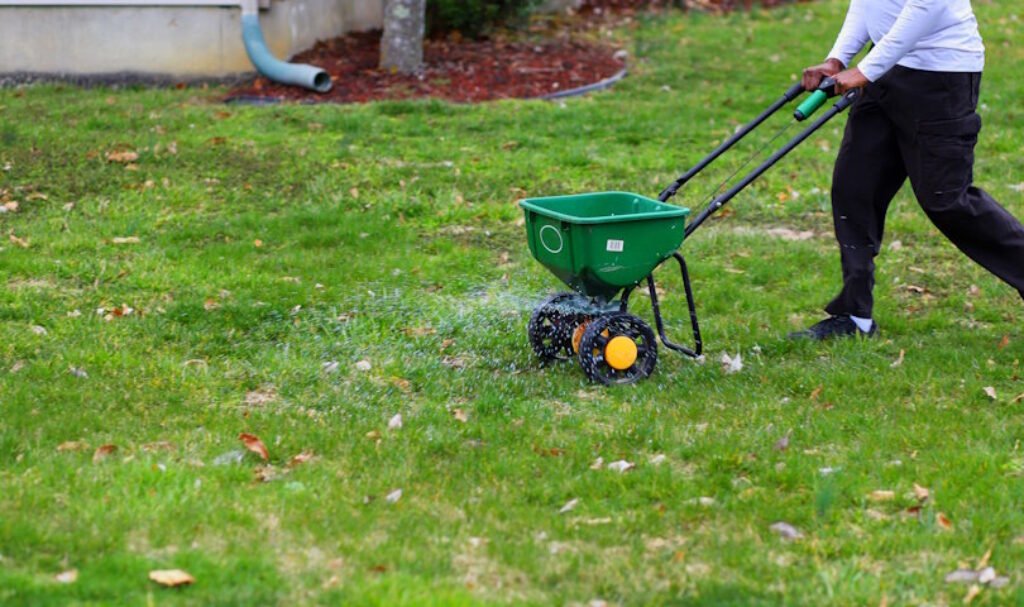
Why Spring Lawn Care Matters
Winter can leave your lawn covered with debris, compacted soil, bare patches, and weakened grass. Spring maintenance helps your lawn recover and prepares it for the warmer months ahead.
Benefits of proper spring lawn care include:
- Encourages healthy root development
- Promotes thicker, greener grass
- Reduces weed growth
- Prevents lawn diseases
- Improves drought resistance
- Creates a stronger lawn for summer
1. Clean Up Winter Debris
Start by removing anything left behind after winter.
Clear away:
- Fallen leaves
- Twigs and branches
- Dead grass
- Pine needles
- Trash and other debris
A clean lawn allows sunlight and air to reach the grass more effectively.
2. Rake the Lawn
Lightly rake the lawn to remove dead grass and loosen matted areas.
This helps:
- Improve airflow
- Remove thatch buildup
- Stimulate new growth
- Reduce the risk of fungal diseases
Avoid aggressive raking, especially if the soil is still wet.
3. Inspect for Winter Damage
Walk around your yard and look for signs of damage, including:
- Bare patches
- Snow mold
- Animal damage
- Standing water
- Compacted soil
Identifying problems early makes them easier to repair.
4. Test Your Soil
Healthy lawns start with healthy soil.
A soil test can reveal:
- pH level
- Nutrient deficiencies
- Organic matter content
Most grasses grow best in soil with a pH between 6.0 and 7.0.
Testing your soil helps you choose the right fertilizer and soil amendments.
5. Apply Pre-Emergent Weed Control
One of the most effective spring lawn care tasks is applying a pre-emergent herbicide before weeds begin to grow.
It helps prevent weeds such as:
- Crabgrass
- Goosegrass
- Annual bluegrass
Timing is critical—apply before weed seeds germinate.
6. Repair Bare Spots
Winter often leaves thin or damaged areas.
To repair them:
- Loosen the soil.
- Add quality grass seed suitable for your lawn.
- Lightly cover with compost or topsoil.
- Keep the area consistently moist until the new grass becomes established.
For cool-season grasses, fall is generally the ideal time for extensive overseeding, but small spring repairs can still be effective.
7. Fertilize Carefully
Spring fertilization gives your lawn nutrients for healthy growth.
Choose a fertilizer designed for your grass type and follow the manufacturer’s application rates.
Avoid over-fertilizing, which can encourage excessive leaf growth while weakening the root system.
8. Start Mowing Properly
Once the grass begins actively growing:
- Sharpen your mower blades.
- Mow regularly.
- Never remove more than one-third of the grass blade during a single mowing.
Sharp blades produce cleaner cuts and reduce stress on the grass.
9. Water Wisely
Spring often brings natural rainfall, so avoid overwatering.
General guidelines:
- Water only when needed.
- Aim for about 1 inch (2.5 cm) of water per week, including rainfall.
- Water early in the morning.
Deep, infrequent watering encourages stronger roots.
10. Check for Lawn Pests
Inspect your lawn for signs of insect activity, including:
- Brown patches
- Birds digging in the grass
- Loose turf
- Chewed grass blades
Early treatment helps prevent widespread damage.
11. Edge and Trim the Lawn
Neatly edging around sidewalks, driveways, and flower beds improves your lawn’s appearance.
Use a string trimmer to remove grass from hard-to-reach areas after mowing.
12. Inspect Your Lawn Equipment
Before the growing season begins:
- Sharpen mower blades.
- Change engine oil if required.
- Replace the air filter.
- Check spark plugs.
- Inspect fuel lines.
- Inflate tires to the recommended pressure.
Well-maintained equipment provides cleaner cuts and more reliable performance.
Spring Lawn Care Schedule
| Time | Recommended Tasks |
|---|---|
| Early Spring | Remove debris, rake lawn, inspect for damage, test soil |
| Mid Spring | Apply pre-emergent herbicide, fertilize if appropriate, begin mowing |
| Late Spring | Repair bare spots, monitor weeds, water as needed, inspect for pests |
Common Spring Lawn Care Mistakes
Avoid these common mistakes:
- Mowing too short
- Fertilizing too early
- Applying pre-emergent herbicide too late
- Overwatering
- Walking on saturated soil
- Ignoring bare patches
- Using dull mower blades
Frequently Asked Questions
When should I start lawn care in spring?
Begin once the ground has thawed and the grass starts actively growing. The exact timing depends on your local climate and grass type.
Should I fertilize before mowing?
It’s generally best to mow first if the grass is overgrown, then apply fertilizer according to the product instructions. Watering after fertilization may also be recommended, depending on the product.
Is spring the best time to overseed?
For cool-season grasses, early fall is usually the best time to overseed. Warm-season grasses are typically overseeded in late spring or early summer. Spring is suitable for repairing small bare areas when necessary.
How often should I water my lawn in spring?
Most lawns need about 1 inch (2.5 cm) of water per week, including rainfall. Water deeply only when the soil begins to dry.
Final Thoughts
A successful spring lawn starts with consistent maintenance rather than a single treatment. Cleaning winter debris, testing the soil, controlling weeds early, mowing correctly, and watering wisely all contribute to a healthier lawn throughout the growing season.
Following this spring lawn care checklist each year will help your grass develop stronger roots, resist weeds and pests, and stay green well into summer.