
A pressure washer is one of the most effective tools for cleaning outdoor surfaces. It can quickly remove dirt, mold, mildew, algae, mud, and grime from driveways, patios, decks, siding, fences, and vehicles. However, using a pressure washer incorrectly can damage surfaces or even cause injuries.
This guide explains how to use a pressure washer safely and effectively, from setup to cleanup, along with tips for choosing the right nozzle and pressure setting.
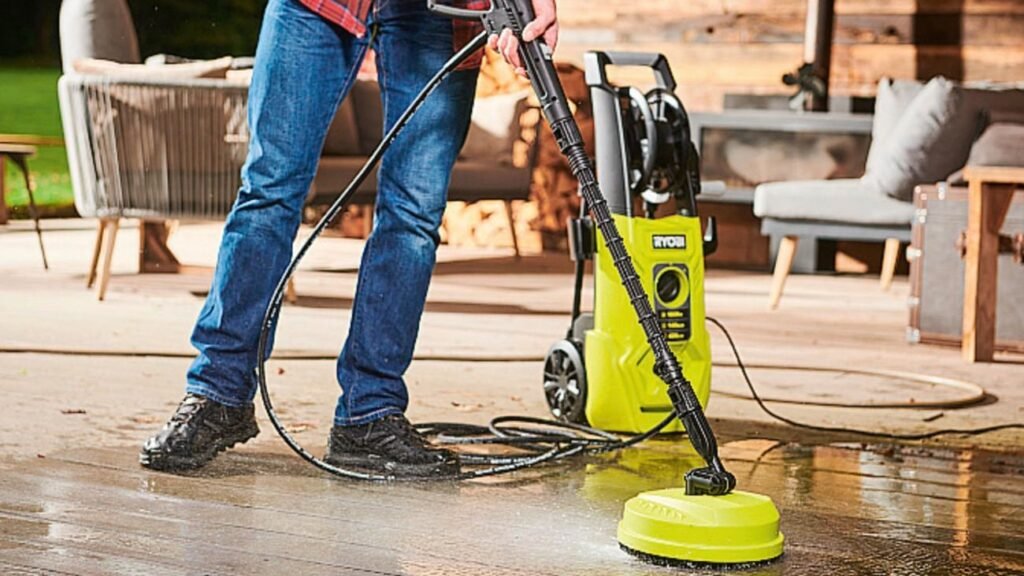
What Is a Pressure Washer?
A pressure washer uses a high-pressure stream of water to clean surfaces. It is available in two main types:
Electric Pressure Washers
Best for:
- Cars
- Outdoor furniture
- Patios
- Decks
- Small driveways
Advantages:
- Quiet operation
- Lower maintenance
- Lightweight
- Easy to use
Gas Pressure Washers
Best for:
- Large driveways
- Concrete surfaces
- Brick walls
- Fences
- Heavy-duty cleaning
Advantages:
- Higher pressure
- Greater mobility
- Faster cleaning
- Suitable for larger jobs
Safety Before You Start
Pressure washers are powerful tools and should be used carefully.
Always:
- Wear safety glasses.
- Wear closed-toe shoes.
- Use hearing protection with gas models.
- Keep children and pets away from the work area.
- Never point the spray at people, animals, or electrical equipment.
- Avoid using ladders while pressure washing.
Gather Your Supplies
Before starting, you’ll need:
- Pressure washer
- Garden hose
- High-pressure hose
- Spray gun and wand
- Correct nozzle
- Cleaning detergent (if needed)
- Safety equipment
Step 1: Prepare the Area
Remove obstacles from the cleaning area.
Move:
- Outdoor furniture
- Toys
- Potted plants
- Decorations
- Vehicles if necessary
Cover nearby electrical outlets, light fixtures, and delicate plants if they could be affected by the spray.
Step 2: Connect the Pressure Washer
- Attach the garden hose to the water inlet.
- Connect the high-pressure hose to the machine.
- Attach the spray gun.
- Install the desired spray nozzle.
- Turn on the water supply.
Before starting the machine, squeeze the trigger briefly to purge air from the system.
Step 3: Choose the Right Nozzle
Pressure washer nozzles are color-coded based on spray angle.
| Nozzle Color | Spray Angle | Typical Use |
|---|---|---|
| Red | 0° | Very tough stains (use with extreme caution) |
| Yellow | 15° | Concrete, brick, heavy dirt |
| Green | 25° | Decks, driveways, patios, fences |
| White | 40° | Siding, windows, vehicles |
| Black | 65° (soap nozzle) | Applying detergent |
Start with the widest spray angle and switch to a narrower one only if additional cleaning power is needed.
Step 4: Test the Pressure
Before cleaning the entire surface:
- Test an inconspicuous area.
- Hold the nozzle about 18–24 inches (45–60 cm) from the surface.
- Gradually move closer if necessary.
Testing first helps prevent accidental damage.
Step 5: Apply Detergent (If Needed)
For heavily soiled surfaces:
- Fill the detergent tank or connect the detergent siphon.
- Install the black soap nozzle.
- Spray detergent evenly from the bottom upward to reduce streaking.
- Allow it to sit for 5–10 minutes.
Do not let the detergent dry on the surface.
Step 6: Wash the Surface
Switch to an appropriate cleaning nozzle.
Use smooth, overlapping passes.
Tips:
- Hold the wand with both hands.
- Keep a consistent distance from the surface.
- Work from top to bottom when rinsing vertical surfaces.
- Avoid concentrating the spray in one spot for too long.
Steady, even movement produces the best results.
Step 7: Rinse Thoroughly
After cleaning:
- Remove any remaining detergent.
- Rinse from top to bottom.
- Continue until the water runs clear.
Inspect the area and repeat if necessary.
Step 8: Shut Down Properly
When finished:
- Turn off the pressure washer.
- Turn off the water supply.
- Squeeze the trigger to release remaining pressure.
- Disconnect all hoses.
- Drain excess water.
- Store the equipment in a dry location.
Proper shutdown helps extend the life of the machine.
Surfaces You Can Pressure Wash
Pressure washers are commonly used on:
- Concrete driveways
- Sidewalks
- Brick patios
- Stone walkways
- Vinyl siding (using appropriate pressure)
- Wooden fences
- Composite decks
- Outdoor furniture
- Garage floors
- Trash bins
Always verify that the surface can tolerate pressure washing before starting.
Surfaces to Avoid
Some materials can be damaged by high-pressure water.
Avoid pressure washing:
- Asphalt shingles
- Older brick with deteriorating mortar
- Delicate painted surfaces
- Electrical panels
- Windows with damaged seals
- Soft wood at high pressure
- Outdoor air conditioning units (unless following the manufacturer’s cleaning instructions)
When in doubt, use a lower-pressure setting or consult the manufacturer’s recommendations.
Pressure Washing Tips
For the best results:
- Start with the lowest effective pressure.
- Use the correct nozzle for the surface.
- Keep the spray moving.
- Clean on a mild day to prevent detergent from drying too quickly.
- Work in sections.
- Rinse thoroughly before moving to the next area.
Common Pressure Washing Mistakes
Avoid these common errors:
- Using excessive pressure
- Holding the nozzle too close to the surface
- Skipping the test area
- Using the wrong nozzle
- Letting detergent dry on the surface
- Spraying directly into vents or electrical fixtures
- Pressure washing painted or delicate materials without checking compatibility
Frequently Asked Questions
Can I pressure wash my house?
Yes, many homes with vinyl, fiber cement, or brick siding can be pressure washed using appropriate pressure settings and a wide-angle nozzle. Always follow the siding manufacturer’s recommendations.
How often should I pressure wash my driveway?
Most driveways benefit from pressure washing once a year, or more often if exposed to heavy traffic, tree sap, oil stains, or significant mold and algae growth.
Can I use hot water in a pressure washer?
Most residential pressure washers are designed for cold water only. Use hot water only if your machine is specifically rated as a hot-water pressure washer.
Do I always need detergent?
No. Many cleaning jobs require only water. Detergent is most helpful for removing grease, oil, mold, mildew, algae, or stubborn stains.
Final Thoughts
Learning how to use a pressure washer properly can make outdoor cleaning faster, easier, and more effective. By choosing the correct nozzle, using the appropriate pressure setting, and following safe operating practices, you can clean driveways, patios, decks, siding, and other outdoor surfaces without causing unnecessary damage.
Regular pressure washing not only improves the appearance of your property but also helps remove dirt, mold, and mildew that can shorten the lifespan of outdoor materials. With proper technique and routine maintenance, a pressure washer can become one of the most valuable tools in your home maintenance routine.