
A dishwasher is designed to clean your dishes, but it also needs regular cleaning to perform its best. Over time, food particles, grease, soap scum, and mineral deposits can build up inside the appliance, leading to unpleasant odors, poor cleaning performance, and even costly repairs.
In this guide, you’ll learn how to clean a dishwasher step by step using simple household products and easy maintenance tips.
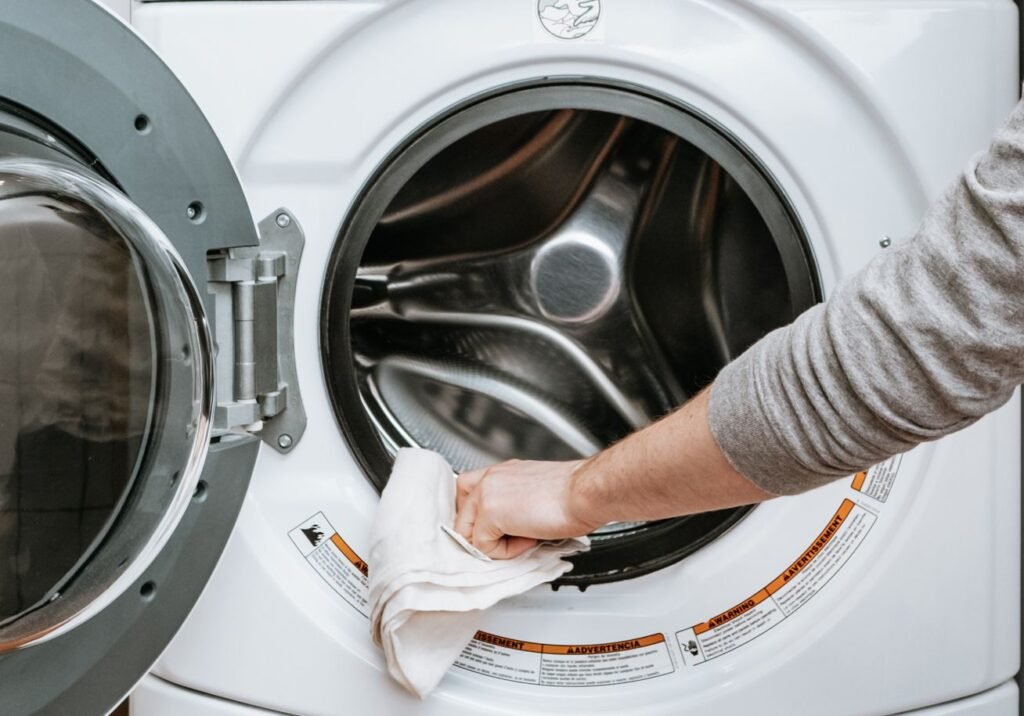
Why You Should Clean Your Dishwasher
Even though your dishwasher washes dishes daily, food debris and grease can accumulate in hidden areas.
Regular cleaning helps:
- Remove unpleasant odors
- Improve cleaning performance
- Prevent clogged spray arms
- Extend the dishwasher’s lifespan
- Reduce mold and mildew growth
- Improve energy efficiency
Experts recommend giving your dishwasher a deep clean at least once a month.
Supplies You’ll Need
Before getting started, gather these supplies:
- White vinegar
- Baking soda
- Soft microfiber cloth
- Toothbrush or soft brush
- Dish soap
- Warm water
- Toothpick or small wire (optional)
- Dishwasher-safe cup or bowl
Step 1: Empty the Dishwasher
Remove all dishes, utensils, and dishwasher racks if possible.
This gives you full access to the interior for cleaning.
Step 2: Clean the Dishwasher Filter
The filter collects food particles and is one of the most important parts to clean.
How to Clean the Filter
- Locate the filter at the bottom of the dishwasher.
- Twist and lift it out (check your owner’s manual if needed).
- Rinse under warm running water.
- Use a soft brush and mild dish soap to remove grease and debris.
- Rinse thoroughly.
- Reinstall the filter securely.
Avoid using wire brushes, which may damage the filter.
Step 3: Wipe the Interior
Use a damp microfiber cloth to wipe:
- Interior walls
- Door edges
- Rubber door gasket
- Bottom of the tub
Pay special attention to corners where food particles often collect.
Step 4: Clean the Spray Arms
Spray arms distribute water during each wash cycle.
If their holes become clogged, dishes won’t get cleaned properly.
How to Clean Spray Arms
- Remove the spray arms if your model allows.
- Rinse them under warm water.
- Use a toothpick or small wire to clear blocked holes.
- Reinstall securely.
Never force objects into the spray holes, as this can damage them.
Step 5: Run a Vinegar Cleaning Cycle
White vinegar naturally dissolves grease, soap scum, and mineral buildup.
Instructions
- Fill a dishwasher-safe cup with 1 cup of white vinegar.
- Place it on the top rack.
- Run the hottest wash cycle.
- Leave the dishwasher empty during the cycle.
The vinegar helps sanitize the interior and remove odors.
Step 6: Run a Baking Soda Cycle
After the vinegar cycle finishes:
- Sprinkle 1 cup of baking soda across the bottom of the dishwasher.
- Run a short hot-water cycle.
Baking soda helps remove stains and leaves the dishwasher smelling fresh.
Step 7: Clean the Exterior
The outside deserves attention too.
For stainless steel models:
- Use a microfiber cloth.
- Wipe in the direction of the grain.
- Use a stainless steel cleaner if desired.
For plastic finishes:
- Warm water and mild dish soap work well.
Don’t forget to clean:
- Door handle
- Control panel
- Around the buttons
How Often Should You Clean a Dishwasher?
| Cleaning Task | Recommended Frequency |
|---|---|
| Clean filter | Weekly or every 2 weeks |
| Wipe door seal | Weekly |
| Deep clean with vinegar | Monthly |
| Baking soda cleaning | Monthly |
| Clean spray arms | Every 2–3 months |
| Clean exterior | Weekly |
Signs Your Dishwasher Needs Cleaning
Your dishwasher may need attention if you notice:
- Bad smells
- Food residue on dishes
- Cloudy glassware
- Standing water
- Visible mold
- Slow draining
- White mineral deposits
- Reduced cleaning performance
Cleaning the dishwasher promptly can prevent these problems from getting worse.
Common Dishwasher Cleaning Mistakes
Avoid these common errors:
Using Bleach in Stainless Steel Dishwashers
Bleach can damage stainless steel interiors.
Forgetting the Filter
Many people clean only the inside walls and ignore the filter, where most food debris collects.
Using Too Much Detergent
Excess detergent creates soap buildup inside the machine.
Skipping Regular Cleaning
Waiting until odors appear often means buildup has already become significant.
Tips to Keep Your Dishwasher Clean
To reduce buildup between deep cleanings:
- Scrape large food scraps off dishes before loading.
- Avoid overloading the dishwasher.
- Leave the door slightly open after each cycle to allow moisture to escape.
- Clean the filter regularly.
- Use the proper amount of dishwasher detergent.
- Run hot-water cycles consistently.
Frequently Asked Questions
Can I use vinegar and baking soda together?
Yes, but not at the same time. Run a vinegar cycle first, followed by a separate baking soda cycle for the best results.
Is vinegar safe for all dishwashers?
Occasional use is generally safe for most dishwashers. However, frequent use may affect certain rubber seals over time. Check your manufacturer’s recommendations if you’re unsure.
Why does my dishwasher still smell after cleaning?
Persistent odors may indicate trapped food debris in the filter, spray arms, drain hose, or air gap. Inspect and clean these areas thoroughly.
Do dishwasher cleaning tablets work?
Yes. Commercial dishwasher cleaners are effective at removing grease, limescale, and mineral deposits. They can be used monthly as an alternative to vinegar and baking soda.
Final Thoughts
Knowing how to clean a dishwasher is one of the easiest ways to keep your appliance running efficiently. Regular maintenance—including cleaning the filter, wiping the interior, clearing the spray arms, and running monthly vinegar and baking soda cycles—helps eliminate odors, improve cleaning performance, and extend the dishwasher’s lifespan.
By spending just a few minutes on routine care each month, you can prevent costly repairs and ensure your dishwasher continues delivering spotless dishes for years to come.