
A refrigerator is one of the hardest-working appliances in your home. It runs 24 hours a day, 365 days a year, keeping your food fresh and safe. But like any appliance, it won’t last forever.
So, how long do refrigerators last? On average, a modern refrigerator lasts 10 to 15 years, although its actual lifespan depends on the brand, maintenance, usage habits, and environmental conditions.
In this guide, we’ll explain what affects a refrigerator’s lifespan, warning signs that it’s wearing out, and practical tips to help it last as long as possible.
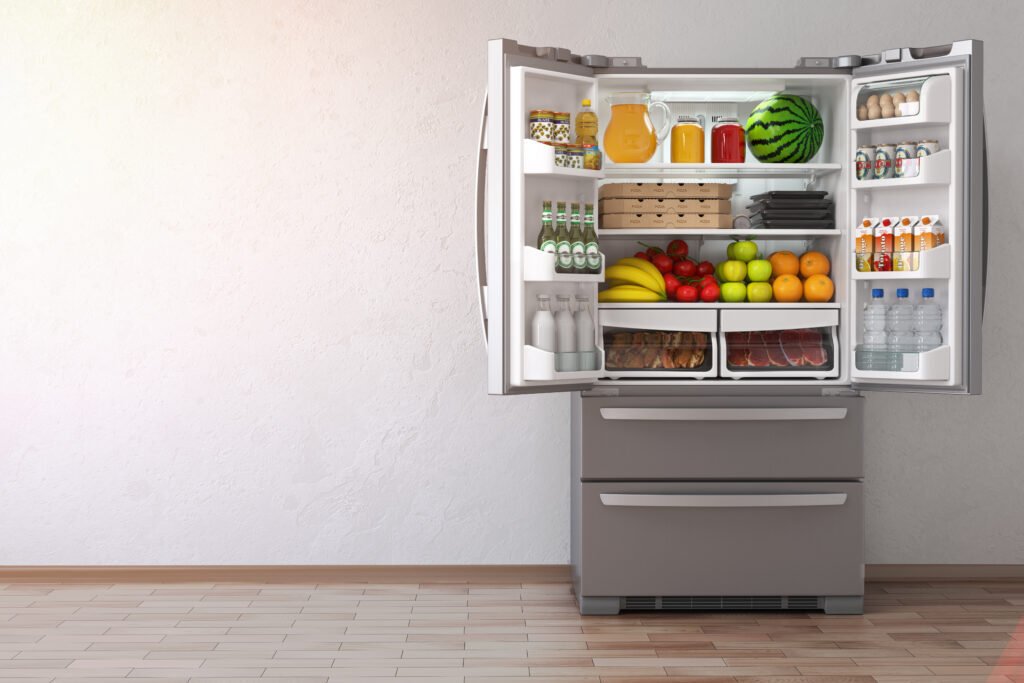
Average Refrigerator Lifespan
Most refrigerators last between 10 and 15 years under normal household use.
Here’s a general breakdown by refrigerator type:
| Refrigerator Type | Average Lifespan |
|---|---|
| Top-Freezer | 12–15 years |
| Bottom-Freezer | 10–15 years |
| Side-by-Side | 10–13 years |
| French Door | 10–15 years |
| Built-In Refrigerator | 15–20 years |
| Compact/Mini Fridge | 8–12 years |
Built-in refrigerators often last longer because they’re made with premium components and are designed for long-term use.
What Affects a Refrigerator’s Lifespan?
Several factors determine whether your refrigerator lasts 10 years or well beyond 15.
1. Build Quality
Higher-quality refrigerators generally use better compressors, thicker insulation, and more durable components.
Premium brands often have longer service lives than entry-level models.
2. Maintenance
Routine maintenance significantly extends the life of a refrigerator.
Important maintenance tasks include:
- Cleaning condenser coils
- Replacing damaged door seals
- Defrosting when necessary
- Keeping air vents unobstructed
- Cleaning the drip pan
A neglected refrigerator has to work harder, increasing wear on the compressor.
3. Usage
Frequently opening the refrigerator door forces the appliance to cool itself repeatedly.
Heavy daily use, overloading shelves, and improper temperature settings can all reduce its lifespan.
4. Environment
A refrigerator located in a hot garage or exposed to direct sunlight works much harder than one inside a climate-controlled kitchen.
High ambient temperatures increase compressor wear and electricity consumption.
5. Proper Installation
For efficient airflow, most refrigerators require several inches of clearance around the back and sides.
Poor ventilation traps heat and forces the cooling system to run longer.
Signs Your Refrigerator Is Near the End of Its Life
Even reliable refrigerators eventually show signs of aging.
Watch for these common symptoms:
Food Spoils Quickly
If milk, vegetables, or leftovers spoil before their expiration dates, your refrigerator may no longer maintain a consistent temperature.
Excessive Noise
Some humming is normal.
However, loud clicking, buzzing, rattling, or grinding noises may indicate failing internal components.
Constant Running
A refrigerator should cycle on and off throughout the day.
If it runs almost continuously, the compressor or thermostat could be wearing out.
Frost Buildup
Modern frost-free refrigerators shouldn’t accumulate large amounts of ice.
Persistent frost may signal problems with the defrost system.
Water Leaks
Leaks can result from clogged drain tubes, damaged water lines, or internal failures.
Rising Energy Bills
Older refrigerators become less energy-efficient over time.
If your electricity bill has steadily increased, your refrigerator may be consuming much more power than when it was new.
Should You Repair or Replace Your Refrigerator?
A simple guideline is the 50% rule.
If the repair costs more than 50% of the price of a new refrigerator, replacement is usually the better financial decision.
Replacement also makes sense if:
- The refrigerator is over 12 years old
- Repairs have become frequent
- Cooling performance is inconsistent
- Energy costs are noticeably higher
- Replacement parts are difficult to find
However, newer refrigerators with minor issues are often worth repairing.
How to Make Your Refrigerator Last Longer
With proper care, many refrigerators can exceed their expected lifespan.
Clean the Condenser Coils
Dust-covered condenser coils reduce cooling efficiency.
Vacuum or brush them every 6–12 months.
Keep Door Seals Clean
Dirty or cracked gaskets allow cold air to escape.
Test the seal by closing the door on a piece of paper. If it slides out easily, the gasket may need replacement.
Don’t Overfill the Refrigerator
Air needs room to circulate.
Overpacking shelves blocks airflow and causes uneven cooling.
Set the Correct Temperature
Recommended settings:
- Refrigerator: 37°F (3°C)
- Freezer: 0°F (-18°C)
Temperatures outside these ranges make the compressor work harder.
Give It Space
Leave enough clearance behind and around the refrigerator to improve airflow and heat dissipation.
Keep It Clean
Regularly wipe interior shelves, remove expired food, and clean spills to prevent odors and improve efficiency.
How Long Do Refrigerator Compressors Last?
The compressor is the heart of the refrigerator.
Under normal conditions, it often lasts 10–15 years, matching the lifespan of the appliance itself.
If the compressor fails after the refrigerator is already more than a decade old, replacing the entire unit is often more cost-effective than replacing the compressor alone.
Frequently Asked Questions
Is a 15-year-old refrigerator too old?
Not necessarily. If it cools properly and doesn’t require expensive repairs, it may continue working for several more years. However, newer models are generally much more energy-efficient.
Can a refrigerator last 20 years?
Yes. High-quality built-in refrigerators and well-maintained traditional models can sometimes last 20 years or longer.
How often should I replace my refrigerator?
Most homeowners replace their refrigerator every 10 to 15 years, depending on reliability, repair costs, and energy efficiency.
What is the most common reason refrigerators fail?
The most common causes include compressor failure, condenser coil problems, thermostat issues, worn door seals, and defrost system malfunctions.
Final Thoughts
Most refrigerators provide 10 to 15 years of reliable service, while premium built-in models may last 20 years or more with proper maintenance. Cleaning the condenser coils, maintaining good airflow, using the correct temperature settings, and repairing small issues early can significantly extend your refrigerator’s lifespan.
If your refrigerator is over a decade old, requires frequent repairs, or struggles to keep food cold, upgrading to a newer, energy-efficient model may save money over time through lower repair and electricity costs.