
Fall is often considered the best season for lawn care. Cooler temperatures, increased rainfall, and active root growth create ideal conditions for repairing summer damage and preparing your lawn for winter. By completing a few essential maintenance tasks in the fall, you’ll enjoy a healthier, greener lawn when spring arrives.
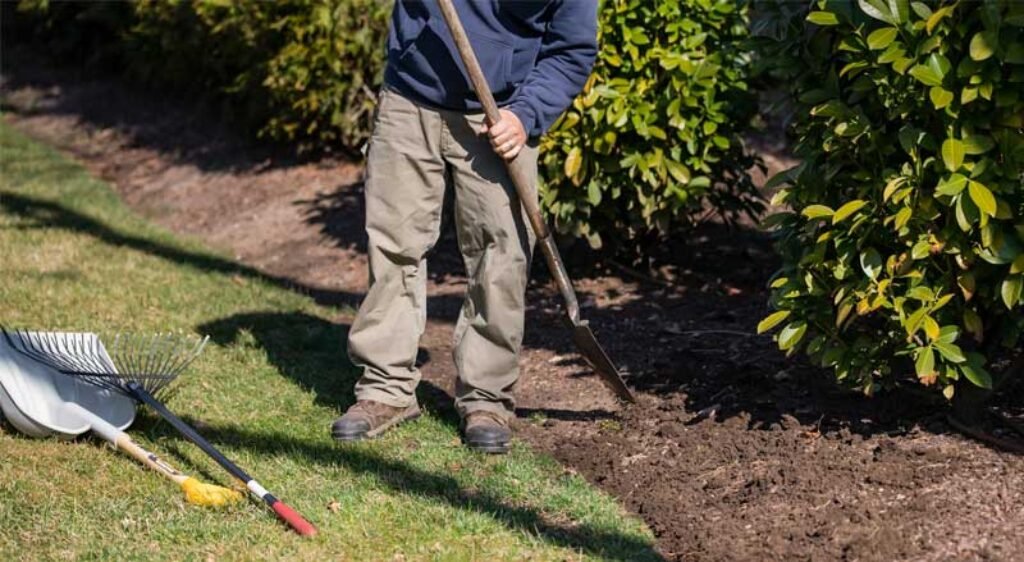
This fall lawn care checklist covers everything homeowners should do from early autumn through late fall.
Why Fall Lawn Care Is Important
After a hot summer, your lawn needs time to recover before winter dormancy. Proper fall maintenance helps:
- Strengthen grass roots
- Repair summer damage
- Reduce weed growth
- Improve nutrient storage
- Increase winter hardiness
- Promote faster green-up in spring
Investing a little time in fall lawn care can significantly reduce lawn problems next year.
1. Remove Leaves and Debris
Fallen leaves may look attractive, but they can block sunlight, trap moisture, and encourage mold and fungal diseases.
Regularly remove:
- Fallen leaves
- Twigs
- Pine needles
- Dead plants
- Other yard debris
A leaf blower, rake, or lawn vacuum can make the job easier.
2. Continue Mowing
Grass continues growing during early fall, although at a slower rate than in summer.
Mowing tips:
- Keep mower blades sharp.
- Never remove more than one-third of the grass blade.
- Gradually lower the mowing height for the final few cuts of the season.
- Avoid cutting grass too short, as this can weaken the lawn before winter.
3. Aerate the Soil
Summer foot traffic and heavy rainfall can compact the soil, limiting airflow, water absorption, and root growth.
Core aeration helps:
- Reduce soil compaction
- Improve oxygen flow
- Increase nutrient absorption
- Encourage deeper root systems
Cool-season lawns benefit most from aeration in early fall, while warm-season lawns are typically aerated in late spring or early summer.
4. Overseed Thin Areas
Fall provides excellent conditions for establishing new grass, especially for cool-season varieties.
To overseed:
- Mow the lawn slightly shorter than usual.
- Rake away dead grass.
- Spread quality grass seed evenly.
- Lightly cover with compost or topsoil.
- Keep the soil consistently moist until the seedlings are established.
This helps fill in bare spots and create a thicker, healthier lawn.
5. Apply Fall Fertilizer
Fall fertilization is one of the most valuable lawn care tasks.
Benefits include:
- Stronger root development
- Better nutrient storage over winter
- Earlier green-up in spring
- Improved overall lawn health
Choose a fertilizer appropriate for your grass type and apply it according to the manufacturer’s instructions.
6. Control Weeds
Many broadleaf weeds actively grow during fall, making this an ideal time for treatment.
Common fall weeds include:
- Dandelions
- Clover
- Chickweed
- Plantain
Treat weeds while they are actively growing for the best results.
7. Water as Needed
Although temperatures are cooler, lawns still require moisture.
General watering guidelines:
- Provide about 1 inch (2.5 cm) of water per week, including rainfall.
- Water deeply rather than frequently.
- Water early in the morning.
- Reduce watering as growth slows and temperatures decline.
8. Repair Bare Spots
Inspect the lawn for damaged or thin areas caused by:
- Summer drought
- Heavy foot traffic
- Lawn diseases
- Pets
Repairing bare patches in fall gives new grass time to establish before winter.
9. Clean Lawn Equipment
Before storing your lawn equipment for winter:
- Clean the mower deck.
- Sharpen mower blades.
- Change the engine oil if required.
- Replace the air filter.
- Empty or stabilize the fuel.
- Inspect belts and cables.
Proper maintenance makes spring startup easier.
10. Winterize Your Irrigation System
If you use an underground sprinkler system:
- Shut off the water supply.
- Drain or blow out irrigation lines if recommended for your climate.
- Protect exposed pipes and valves from freezing.
This helps prevent costly damage during winter.
11. Keep Heavy Traffic Off the Lawn
As temperatures drop and grass growth slows, the lawn becomes more vulnerable to damage.
Try to avoid:
- Parking vehicles on the grass
- Repeated foot traffic
- Storing heavy equipment on the lawn
Reducing stress before winter helps protect the root system.
12. Perform the Final Mow
The last mowing of the season is important.
For most lawns:
- Leave grass about 2 to 3 inches (5–7.5 cm) tall.
- Remove grass clippings if they are excessively thick.
- Ensure the lawn is free of leaves before winter arrives.
Fall Lawn Care Schedule
| Time | Recommended Tasks |
|---|---|
| Early Fall | Aerate, overseed, fertilize, continue mowing |
| Mid Fall | Remove leaves, control weeds, repair bare spots, water as needed |
| Late Fall | Final mowing, clean equipment, winterize irrigation, clear remaining debris |
Common Fall Lawn Care Mistakes
Avoid these common mistakes:
- Leaving thick layers of leaves on the lawn
- Stopping mowing too early
- Skipping fall fertilization
- Ignoring soil compaction
- Overwatering late in the season
- Using dull mower blades
- Neglecting lawn equipment before winter storage
Frequently Asked Questions
When should I stop mowing my lawn in the fall?
Continue mowing until the grass stops actively growing. In most regions, this occurs after the first few frosts, though timing varies with local climate.
Is fall the best time to overseed?
Yes. Early fall is generally the ideal time to overseed cool-season grasses because cooler temperatures and consistent moisture support strong germination.
Should I fertilize my lawn before winter?
Yes. A fall fertilizer application helps strengthen roots and store nutrients that support healthy growth the following spring.
Can I leave leaves on my lawn during winter?
A thin layer of shredded leaves can decompose and add organic matter, but thick layers should be removed because they block sunlight, trap moisture, and increase the risk of disease.
Final Thoughts
Fall is the perfect time to strengthen your lawn after the stresses of summer and prepare it for the colder months ahead. Aerating the soil, overseeding thin areas, applying fertilizer, controlling weeds, and keeping the lawn free of leaves all contribute to healthier roots and better spring growth.
Following this fall lawn care checklist each year will help your lawn survive winter more successfully and return greener, thicker, and more resilient when the growing season begins again.