
Raised garden beds are one of the best ways to grow vegetables, herbs, flowers, and even small fruits. They offer better drainage, improved soil quality, fewer weeds, and easier maintenance compared to traditional in-ground gardens. Whether you have a spacious backyard or a small patio, there’s a raised bed design to fit your space and gardening goals.
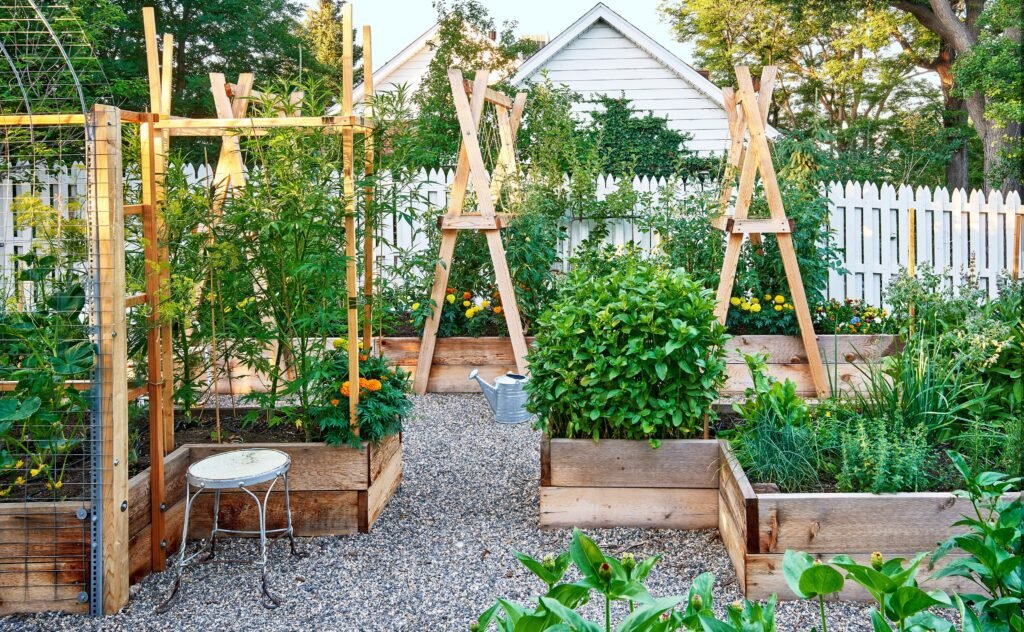
In this guide, you’ll discover inspiring raised garden bed ideas, popular materials, design tips, and practical advice for building a garden that’s both attractive and productive.
Why Choose Raised Garden Beds?
Raised beds offer several advantages over traditional gardens:
- Better drainage
- Warmer soil in spring
- Improved soil quality
- Easier weed control
- Fewer soil-borne diseases
- Less bending and kneeling
- Better organization
- Higher vegetable yields
They’re especially useful in areas with poor or compacted soil.
1. Classic Wooden Raised Garden Bed
The traditional wooden raised bed remains the most popular choice.
Best woods include:
- Cedar
- Redwood
- Cypress
Benefits:
- Natural appearance
- Easy to build
- Affordable
- Long-lasting with proper care
Avoid pressure-treated lumber for edible gardens unless it is specifically rated as safe for food-growing applications.
2. Galvanized Metal Raised Beds
Metal garden beds have become increasingly popular because they are durable and modern.
Advantages:
- Rust-resistant
- Long lifespan
- Clean appearance
- Low maintenance
They’re ideal for contemporary landscapes.
3. Stone Raised Garden Beds
Natural stone creates a timeless, elegant look.
Benefits include:
- Exceptional durability
- Excellent heat retention
- Minimal maintenance
- Adds value to landscaping
Stone beds are more expensive but can last for decades.
4. Brick Garden Beds
Brick raised beds combine beauty and durability.
They work well for:
- Vegetable gardens
- Herb gardens
- Cottage gardens
- Formal landscapes
Bricks can be arranged in numerous patterns to complement your outdoor space.
5. U-Shaped Raised Beds
A U-shaped layout provides easy access from multiple sides.
Benefits:
- Less reaching
- Comfortable harvesting
- Efficient use of space
- Excellent for older gardeners
Most plants remain within easy arm’s reach.
6. Elevated Raised Garden Beds
Elevated beds stand on legs or built-in supports.
They’re perfect for:
- Patios
- Decks
- Small spaces
- Gardeners with mobility limitations
The higher working height reduces bending and kneeling.
7. Tiered Raised Beds
Tiered gardens feature multiple levels.
Advantages:
- Creates visual interest
- Maximizes growing space
- Improves drainage
- Separates different plant varieties
They’re especially attractive on sloped landscapes.
8. Corner Raised Beds
Unused yard corners can become productive growing areas.
Corner beds work well for:
- Herbs
- Salad greens
- Flowers
- Compact vegetables
They maximize every available square foot.
9. Raised Beds with Trellises
Adding a trellis increases vertical growing space.
Ideal climbing plants include:
- Cucumbers
- Pole beans
- Peas
- Tomatoes (with support)
- Small melons
Vertical gardening improves airflow and makes harvesting easier.
10. Keyhole Garden Beds
A keyhole bed includes a narrow pathway into the center.
Benefits:
- Easy access
- Efficient watering
- Comfortable maintenance
- Excellent use of space
They’re popular in sustainable and permaculture gardens.
11. Raised Beds with Built-In Seating
Wide wooden edges can double as benches.
Advantages:
- Comfortable gardening
- Convenient resting area
- Attractive landscape feature
- Easier planting and harvesting
12. Decorative Flower and Vegetable Beds
Combine edible plants with ornamental flowers.
Popular combinations include:
- Tomatoes and marigolds
- Lettuce and pansies
- Kale and ornamental grasses
- Herbs and lavender
Mixed plantings attract pollinators while adding color to the garden.
13. Raised Herb Garden
Dedicate a raised bed to culinary herbs.
Popular choices:
- Basil
- Rosemary
- Thyme
- Oregano
- Parsley
- Chives
- Sage
- Cilantro
Keeping herbs together makes harvesting more convenient.
14. Square Foot Gardening Beds
Square foot gardening divides a raised bed into one-foot sections.
Benefits include:
- Efficient spacing
- Reduced weeds
- Easier crop planning
- Higher productivity in small spaces
This method is ideal for beginner gardeners.
15. Children’s Raised Garden
Create a smaller raised bed designed for kids.
Easy-to-grow plants include:
- Cherry tomatoes
- Strawberries
- Radishes
- Carrots
- Sunflowers
- Snap peas
A dedicated children’s garden encourages learning and healthy eating habits.
Best Materials for Raised Garden Beds
| Material | Advantages | Considerations |
|---|---|---|
| Cedar | Naturally rot-resistant, attractive | Higher cost |
| Redwood | Durable, beautiful | Premium price |
| Galvanized Steel | Long-lasting, modern, low maintenance | Can become warm in direct sunlight |
| Brick | Durable, decorative | Labor-intensive to build |
| Stone | Extremely durable, natural look | Heavy and expensive |
| Composite Boards | Rot-resistant, low maintenance | Typically more expensive than wood |
Tips for Building a Raised Garden Bed
Choose a location that receives at least 6–8 hours of sunlight each day for most vegetables.
Other helpful tips:
- Make beds no wider than 4 feet (1.2 meters) so you can reach the center without stepping on the soil.
- Install weed barrier fabric if needed.
- Fill beds with high-quality garden soil and compost.
- Leave pathways between beds for easy access.
- Install drip irrigation to conserve water.
Common Raised Bed Gardening Mistakes
Avoid these common errors:
- Building beds that are too wide
- Using poor-quality soil
- Overcrowding plants
- Ignoring drainage
- Choosing a location with insufficient sunlight
- Forgetting to add compost each season
- Planting tall crops where they shade smaller plants
Frequently Asked Questions
How deep should a raised garden bed be?
Most vegetables grow well in beds that are 10–12 inches (25–30 cm) deep. Root crops such as carrots and parsnips often benefit from depths of 12–18 inches (30–45 cm).
What is the best wood for raised garden beds?
Cedar and redwood are popular choices because they naturally resist rot and insects without requiring chemical treatments.
Do raised garden beds need a bottom?
Not always. Beds placed directly on soil allow roots to grow naturally and promote drainage. If placing a raised bed on a patio or deck, a bottom or liner may be appropriate to protect the surface and contain the soil.
What should I fill a raised garden bed with?
A common mix is:
- 40% quality topsoil
- 40% compost
- 20% coarse materials such as coconut coir, aged bark fines, or other organic matter to improve drainage and soil structure
Adjust the mix based on the needs of your plants and local soil conditions.
Final Thoughts
Raised garden beds are an excellent investment for gardeners of all experience levels. They improve drainage, simplify maintenance, and create an organized growing space while adding visual appeal to your landscape.
Whether you choose a classic wooden bed, a modern galvanized steel design, a decorative stone planter, or a space-saving vertical garden with trellises, the right raised garden bed can help you grow healthier vegetables, herbs, and flowers for years to come.