
A clothes dryer is one of the most convenient appliances in any home, but it also requires regular maintenance to operate safely and efficiently. Without proper care, lint buildup, clogged vents, and worn components can reduce drying performance, increase energy bills, and even create a fire hazard.
This dryer maintenance guide covers everything you need to know to keep your dryer in excellent condition and extend its lifespan.
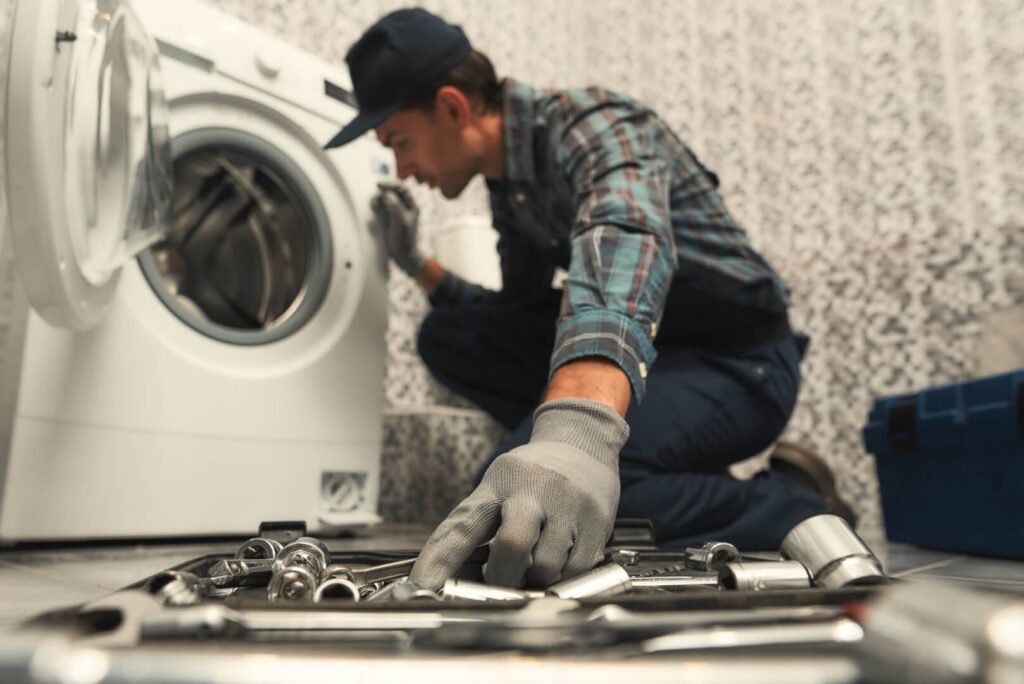
Why Dryer Maintenance Is Important
Routine dryer maintenance offers several benefits, including:
- Improves drying efficiency
- Reduces energy consumption
- Prevents costly repairs
- Extends the dryer’s lifespan
- Lowers the risk of dryer fires
- Protects your clothing from unnecessary wear
A well-maintained dryer dries clothes faster while using less electricity or gas.
How Often Should You Maintain Your Dryer?
Here’s a recommended maintenance schedule:
| Maintenance Task | Frequency |
|---|---|
| Clean lint filter | After every load |
| Wipe moisture sensor | Monthly |
| Inspect vent hose | Every 3 months |
| Deep clean lint trap | Every 6 months |
| Clean dryer vent | Annually |
| Inspect power cord or gas connection | Annually |
| Professional inspection | Every 1–2 years |
1. Clean the Lint Filter After Every Load
The lint filter is your dryer’s first line of defense against lint buildup.
A clogged lint screen reduces airflow, making the dryer work harder and increasing drying time.
How to Clean It
- Remove the lint screen.
- Peel off accumulated lint.
- If needed, wash the screen with warm water and mild soap.
- Allow it to dry completely before reinstalling.
Never operate the dryer without the lint filter in place.
2. Deep Clean the Lint Trap Housing
Even if you clean the lint screen regularly, lint can accumulate inside the lint trap housing.
Every six months:
- Remove the lint filter.
- Use a vacuum with a narrow attachment to clean inside the housing.
- Remove any remaining debris.
This improves airflow and reduces fire risk.
3. Clean the Dryer Vent
The dryer vent carries hot, moist air outside your home.
Over time, lint can collect inside the vent, restricting airflow.
Signs of a Clogged Vent
- Clothes take longer to dry
- Dryer becomes unusually hot
- Burning smell
- Excessive lint around the vent
- Laundry room feels humid
Clean the vent at least once a year or more often if you use your dryer frequently.
4. Inspect the Vent Hose
Check the vent hose every few months for:
- Kinks
- Cracks
- Loose connections
- Lint buildup
Rigid or semi-rigid metal ducts are generally recommended because they provide better airflow and are more resistant to lint buildup than flexible plastic or foil ducts.
5. Wipe the Moisture Sensor
Many modern dryers use moisture sensors to determine when clothes are dry.
Fabric softener residue can coat the sensor, causing inaccurate readings.
Clean it monthly using:
- A soft cloth
- Rubbing alcohol or mild soap and water
Avoid abrasive cleaners.
6. Keep the Dryer Drum Clean
Residue from dryer sheets, detergent, and clothing can build up inside the drum.
To clean it:
- Unplug the dryer.
- Wipe the drum with warm water and mild dish soap.
- Dry it thoroughly before using the appliance again.
7. Inspect the Door Seal
The rubber gasket around the dryer door helps retain heat.
Look for:
- Cracks
- Tears
- Loose sections
- Excessive wear
A damaged seal allows heat to escape and reduces drying efficiency.
8. Don’t Overload the Dryer
Overloading causes several problems:
- Longer drying times
- Increased strain on the motor
- Uneven drying
- Excess wrinkles
- Premature wear on clothing
For the best results, leave enough space for clothes to tumble freely.
9. Use the Right Dryer Settings
Different fabrics require different drying temperatures.
Examples include:
- High heat: Towels and heavy cotton items
- Medium heat: Everyday clothing
- Low heat: Delicate fabrics
- Air fluff/no heat: Pillows, shoes (if manufacturer-approved), and items that only need freshening
Using the correct setting helps protect both your clothes and your dryer.
10. Keep the Area Around the Dryer Clean
Vacuum behind and underneath the dryer every few months.
Remove:
- Dust
- Lint
- Pet hair
This improves airflow and reduces fire hazards.
Common Signs Your Dryer Needs Maintenance
Watch for these warning signs:
- Clothes remain damp after one cycle
- Dryer feels unusually hot
- Burning smell during operation
- Loud squeaking or grinding noises
- Excessive lint around the appliance
- Drum doesn’t spin properly
- Dryer shuts off unexpectedly
Addressing these issues early can prevent more expensive repairs.
Common Dryer Maintenance Mistakes
Avoid these common mistakes:
- Skipping lint filter cleaning
- Ignoring the exhaust vent
- Using damaged vent hoses
- Overloading the drum
- Blocking airflow behind the dryer
- Waiting until drying performance declines before cleaning
Dryer Safety Tips
For safe operation:
- Clean the lint filter after every load.
- Keep the exhaust vent unobstructed.
- Never dry items contaminated with gasoline, paint thinner, or cooking oil.
- Replace damaged power cords immediately.
- Ensure proper ventilation around the appliance.
- Do not leave the dryer running unattended for long periods.
Frequently Asked Questions
How often should I clean my dryer vent?
Most households should clean the dryer vent once a year. If you do laundry frequently or have pets, cleaning every six months may be beneficial.
Can a clogged dryer vent increase electricity usage?
Yes. Restricted airflow forces the dryer to run longer, increasing both energy consumption and utility bills.
Why are my clothes taking longer to dry?
Common causes include a clogged lint filter, blocked dryer vent, overloaded drum, or moisture sensor that needs cleaning.
How long does a dryer typically last?
Most dryers have an average lifespan of 10 to 13 years with proper maintenance and normal household use.
Final Thoughts
Regular dryer maintenance is essential for both performance and safety. Cleaning the lint filter after every load, inspecting the vent system, wiping the moisture sensor, and keeping the drum and surrounding area clean can significantly improve drying efficiency while reducing the risk of breakdowns and fire hazards.
By following this dryer maintenance guide and sticking to a simple maintenance schedule, you can help your dryer operate reliably for many years while saving energy and protecting your clothing.