
Your refrigerator is one of the most important appliances in your home, running around the clock to keep your food fresh and safe. Regular maintenance not only helps it perform efficiently but can also extend its lifespan by several years and reduce energy costs.
In this guide, you’ll learn the best refrigerator maintenance tips to keep your appliance in top condition.
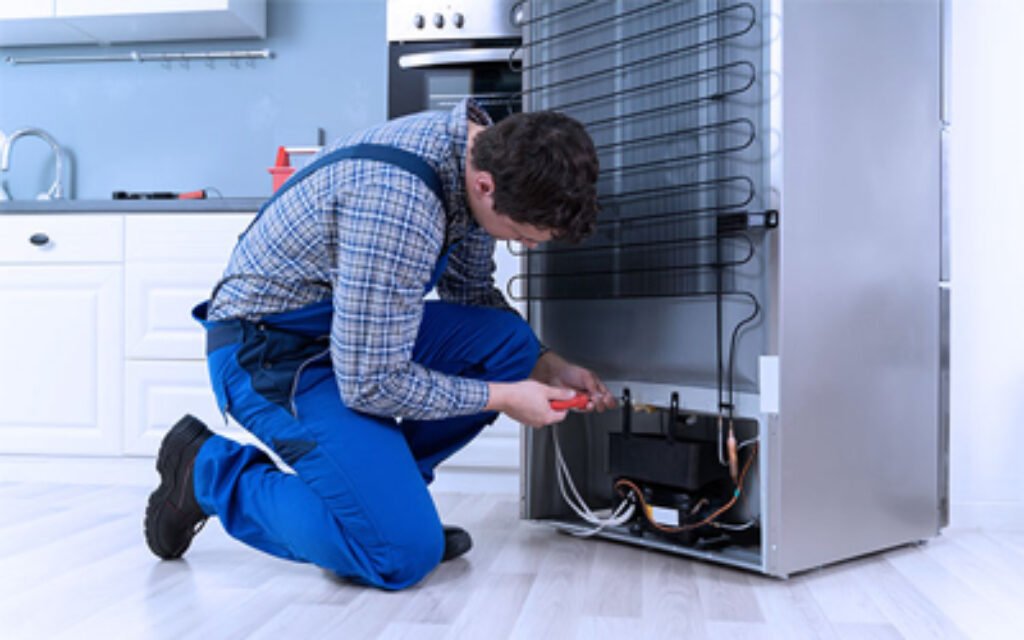
Why Refrigerator Maintenance Matters
Routine refrigerator maintenance offers several benefits:
- Improves cooling performance
- Reduces electricity consumption
- Extends the appliance’s lifespan
- Prevents costly repairs
- Keeps food fresher for longer
- Minimizes unpleasant odors
Spending just a few minutes every few months can save hundreds of dollars in repair or replacement costs.
1. Clean the Condenser Coils
One of the most important maintenance tasks is cleaning the condenser coils.
Over time, dust, pet hair, and dirt accumulate on the coils, forcing the refrigerator to work harder to remove heat.
How to Clean Condenser Coils
- Unplug the refrigerator.
- Locate the coils (behind or underneath the unit).
- Use a coil brush or vacuum cleaner.
- Remove all visible dust and debris.
- Plug the refrigerator back in.
How often: Every 6–12 months (every 3–6 months if you have pets).
2. Check the Door Gaskets
The rubber seals around the refrigerator doors keep cold air inside.
Damaged or dirty gaskets allow cold air to escape, making the compressor run longer.
Simple Paper Test
Close the refrigerator door on a piece of paper.
- If the paper pulls out easily, the gasket may need cleaning or replacement.
- If there’s resistance, the seal is working properly.
Clean gaskets regularly using warm water and mild soap.
3. Keep the Refrigerator at the Right Temperature
Proper temperature settings help preserve food while reducing strain on the compressor.
Recommended settings:
- Refrigerator: 37°F (3°C)
- Freezer: 0°F (-18°C)
Use a refrigerator thermometer if you’re unsure about the actual temperature.
4. Don’t Overfill the Refrigerator
Cold air needs room to circulate.
An overcrowded refrigerator blocks airflow, causing uneven cooling and forcing the appliance to work harder.
Leave small gaps between food containers whenever possible.
5. Don’t Leave It Too Empty
Surprisingly, an almost empty refrigerator is also less efficient.
Food and beverages help retain cold temperatures.
If your refrigerator is mostly empty, consider storing water bottles inside to improve temperature stability.
6. Clean the Interior Regularly
Food spills can cause bacteria growth and unpleasant odors.
At least once a month:
- Remove expired food.
- Wipe shelves and drawers.
- Clean door bins.
- Dry all surfaces before replacing food.
Use baking soda mixed with warm water for safe cleaning.
7. Replace the Water Filter
If your refrigerator has a built-in water dispenser or ice maker, replace the water filter regularly.
Most manufacturers recommend replacement every:
- 6 months
- Or after the recommended number of gallons
A dirty filter reduces water quality and ice production.
8. Keep Air Vents Clear
Inside the refrigerator are vents that distribute cold air.
Avoid placing large containers directly in front of these vents.
Blocked airflow leads to inconsistent cooling.
9. Defrost When Necessary
If you own a manual-defrost freezer, remove excess frost before it becomes thick.
Heavy frost reduces cooling efficiency and wastes energy.
Modern frost-free refrigerators perform this automatically.
10. Level the Refrigerator
A refrigerator should sit level on the floor.
If it’s tilted:
- Doors may not close properly.
- Water may not drain correctly.
- Cooling performance may decrease.
Adjust the leveling feet if necessary.
11. Give It Enough Space
Proper ventilation prevents overheating.
Leave at least:
- 2 inches behind the refrigerator
- 1 inch on both sides
- Adequate space above the unit
Always follow the manufacturer’s recommendations.
12. Keep the Exterior Clean
Dust and grease can build up on refrigerator surfaces.
Wipe the exterior weekly using a microfiber cloth and mild cleaner.
For stainless steel models, clean in the direction of the grain.
13. Avoid Keeping the Door Open
Every time the refrigerator door stays open, cold air escapes.
Try to:
- Know what you need before opening.
- Close the door promptly.
- Avoid standing with the door open while deciding what to eat.
14. Listen for Unusual Noises
Some humming is normal.
However, investigate sounds such as:
- Loud buzzing
- Clicking
- Grinding
- Rattling
- Knocking
Early diagnosis can prevent expensive repairs.
15. Schedule Professional Maintenance When Needed
If your refrigerator:
- Doesn’t cool properly
- Leaks water
- Runs constantly
- Makes loud noises
- Develops frost unexpectedly
Have it inspected by a qualified appliance technician before the problem worsens.
Refrigerator Maintenance Schedule
| Maintenance Task | Frequency |
|---|---|
| Clean condenser coils | Every 6–12 months |
| Wipe door gaskets | Monthly |
| Clean interior | Monthly |
| Check temperature | Monthly |
| Replace water filter | Every 6 months |
| Inspect air vents | Monthly |
| Level refrigerator | Annually |
| Vacuum behind refrigerator | Every 6 months |
Common Refrigerator Maintenance Mistakes
Avoid these common errors:
- Overloading shelves
- Blocking air vents
- Ignoring dirty condenser coils
- Using sharp tools to remove ice
- Setting the temperature too cold
- Leaving the door open for extended periods
- Skipping water filter replacements
Frequently Asked Questions
How often should I clean my refrigerator?
The interior should be cleaned once a month, while condenser coils should be cleaned every 6–12 months.
Is it safe to unplug my refrigerator for cleaning?
Yes. Unplugging the refrigerator before deep cleaning is recommended for safety.
How do I know if my refrigerator needs maintenance?
Common signs include inconsistent cooling, excessive frost, higher energy bills, unusual noises, water leaks, or food spoiling faster than usual.
Does cleaning condenser coils really help?
Absolutely. Clean coils improve cooling efficiency, reduce energy consumption, and can help extend the life of the compressor.
Final Thoughts
Regular refrigerator maintenance is a simple investment that pays off through better performance, lower energy bills, and a longer appliance lifespan. By cleaning the condenser coils, checking door seals, maintaining the correct temperature, and keeping the interior organized, you can help your refrigerator run efficiently for many years.
Following these refrigerator maintenance tips only takes a little time each year, but it can significantly reduce the risk of unexpected breakdowns and costly repairs.